




Diet Debate
We debate the various types of diets.
See All
Preferences
My Communities
My Discussions
My Email Digests
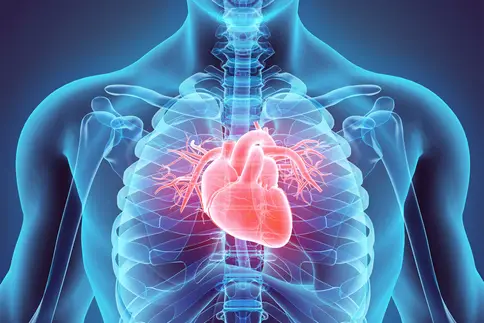
Meanwhile, many popular beliefs about the health-related downsides of foods from animals are being revealed as myths. Take cholesterol. Early human diets apparently included (PDF) a hefty 500 mg daily dose of cholesterol, more than what's found in two eggs. During the 20th century, consumption of eggs declined and overall animal fat consumption dropped by over 20 percent, while consumption of vegetable fat (which contains no cholesterol) increased by over 400 percent. Yet blood cholesterol levels steadily rose and deaths from heart disease increased more than fivefold. Harvard School of Public Health researchers have concluded that eating foods that contain cholesterol does not affect blood cholesterol levels"
[/blockquote>
Study after study shows that people on the SAD generally do get atherosclerosis which now has been shown to start in childhood. Seventy percent or more of a hospital's income is from heart and artery related illnesses. How many people do you know who are on the SAD and are senior citizens who are not on some kind of med--statin, blood pressure med, diabetes pills etc?
Many studies have shown that people with blocked arteries who switch to a near zero fat, whole foods plant based diet reverse their disease. Esselstyn's patients, who were the most difficult to treat and who the Cleveland Clinic could no longer help with surgeries or stents are, twenty years later, free of their illnesses. And without eating cholesterol.
Please show me a very long term study in which people who have artery blockages and are prime candidates for by pass surgery go on a low carb, high meat diet and reverse the blockages.
Can some eat a high animal protein and fat diet and live to a ripe old age? Yes. I have read about them. But people have gone over Niagara Falls in a barrel and lived to tell about. I am not going to try it. And it would be extremely foolish of me to say that it is perfectly safe to imitate them.
Dolores
The article mentions studies that show supplements are not sufficient which suggests that a near vegan diet might be healthier than a 100% vegan diet plus supplements....maybe a little red meat once per week for iron and B-12 and whatever else.Even Fuhrman says there is no evidence a pure vegan diet is better than a near vegan diet.
Dolores
Re: "I ... add about two and a half ounces of minced, drained and rinsed canned clams. Lots and lots of B12"
Excellent.
Is it better to get vitamins and minerals from food, or supplements? We all agree that it's much better to get nutrients from food. While the drug and supplement companies have tried very very hard, supplements provide only a shadow of the benefit of nutrients from food (that is, if the supplements don't turn out to be harmful !).
Re: (quote from jc) " And a new University of Minnesota study raises fresh doubt about the wisdom of relying on pills for iron and other nutrients. It found that middle-aged women who took nutritional supplements -- especially iron -- had shorter lifespans than those who did not."
Iron has been removed from nearly all supplements for many years now. Apparently that study was for women prior to menopause, for whom iron is typically suggested. WoW. That is news.
I donate blood frequently, and my iron is always at the top of the healthy range. I apparently absorb iron well, from a (near) vegan diet (0-4 oz meat/week). Some other people do not absorb iron well, and are anemic even on a SAD (Standard American Diet) diet, and need iron supplements.
Some people do not absorb B12 well, and even on the SAD diet with lots of meat, require B12 injections to correct serious deficiency. Likewise, most vegans are fully nourished and thrive on a Fuhrman diet (vegan with nuts and seeds, and B12 supplements.) But some are deficient of zinc, iodine, selenium. So, Dr. Fuhrman adds those to the Gentle Care multivitamins that he has formulated. Does this mean that we would be healthier to include enough meat to naturally supply zinc and selenium (but not iodine)? Hard to say. There are benefits from being vegan.
Re: (jc quote) "Early human diets apparently included (PDF) a hefty 500 mg daily dose of cholesterol, more than what's found in two eggs. "
500mg cholesterol is roughy 2 pounds of steak. We will certainly not settle this controversy within our lifetimes, but the best information (in my opinion) is that we were mostly vegan for most of our ancestry. True, the eskimos are not, but aren't they in a pretty untypical environment? Our B12 vitamin requirement, available only from meat and dairy products, shows that none of our ancestors were completely vegan. Dairy products were only important in Northern Europe, since most adult humans are lactose intolerant. Don't forget, that animals tend to run away when you try to catch them. But B12 requirement is satisfied by roughly an ounce of meat a week.
Best regards, EngineerGuy
Also note that healthy "plant based cultures" do get some small amount of meat in their diets...not much,but some.
Always great to chat, my friend. The many who visit this site apprecieate and depend on you to provide much stimulating and informative discussion. You have given me some of my favorite references.
Re your post - all agreed.

Best regards, EngineerGuy
See Related Eating & Diet Communities
Women's Health Newsletter
Find out what women really need.
Spotlight: Member Stories
Helpful Tips
Helpful Resources
Related News
Report Problems to the
Food and Drug Administration
You are encouraged to report negative side effects of prescription drugs to the FDA. Visit the FDA MedWatch website or call 1-800-FDA-1088.
Other Member Communities
- Dieting Club: 10 - 25 Lbs Member Community Share Your Tips and Support!
- Caregiving Member Community The Support and Understanding You Need!
- Parenting Friends Talking Member Community Get Support from Members Like You!
-
More Related Communities
The opinions expressed in WebMD User-generated content areas like communities, reviews, ratings, or blogs are solely those of the User, who may or may not have medical or scientific training. These opinions do not represent the opinions of WebMD. User-generated content areas are not reviewed by a WebMD physician or any member of the WebMD editorial staff for accuracy, balance, objectivity, or any other reason except for compliance with our Terms and Conditions. Some of these opinions may contain information about treatments or uses of drug products that have not been approved by the U.S. Food and Drug Administration. WebMD does not endorse any specific product, service, or treatment.
Do not consider WebMD User-generated content as medical advice. Never delay or disregard seeking professional medical advice from your doctor or other qualified healthcare provider because of something you have read on WebMD. You should always speak with your doctor before you start, stop, or change any prescribed part of your care plan or treatment. WebMD understands that reading individual, real-life experiences can be a helpful resource, but it is never a substitute for professional medical advice, diagnosis, or treatment from a qualified health care provider. If you think you may have a medical emergency, call your doctor or dial 911 immediately.
Health Solutions From Our Sponsors
©2005-2013 WebMD, LLC. All rights reserved.
WebMD does not provide medical advice, diagnosis or treatment. See additional information.