






See All
Preferences
My Communities
My Discussions
My Email Digests
Exercise needs to be paced too as does the need to control your calorie intake.
But it's a bit more complex than that as seen from Dr. P's words on another discussion :
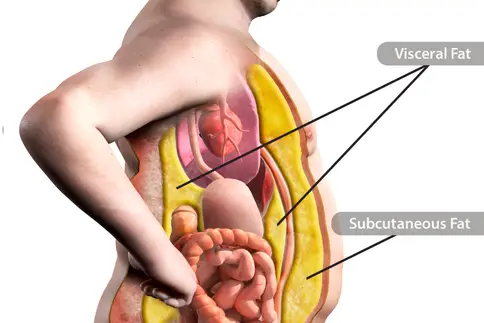
A common problem observed in Fibromyalgia is weight gain. Many complain to me that weight gain became a major problem once Fibromyalgia established itself.
Various factors are involved in weight gain and include:
1. Decreased Metabolism. Various hormone changes can slow down the metabolism in Fibromyalgia. Studies have shown hormone deficiencies or imbalances (cortisol, thyroid, serotonin, growth hormone) in Fibromyalgia. Insulin and other hormones are probably affected as well.
Dr. Leslie J. Crofford has described hormonal abnormalities in Fibromyalgia and how they interfere with physiologic communication between the brain and the body. Closely linked with hormones is the autonomic nervous system. The autonomic nerves are the small nerves vital in the coordination of the body's hormones, and thus they play a role in the regulation and delivery of nutrients to our cells.
The hypoglycemic roller-coaster effect is a good example of the combination of hormonal endocrine imbalances and autonomic nervous system dysfunction leading to hypoglycemic symptoms. Overall, neuroendocrine abnormalities in Fibromyalgia probably interfere with the body's metabolism (by decreasing it), and part of the treatment involves replacing or supplementing hormones to help improve the body's metabolism.
A slower body metabolism means fewer calories are burned on a daily basis to "run" the body's machinery. If fewer calories are burned with no change occurring in calories consumed, weight gain will result over time. Also, women in their late 30s and 40s often develop Fibromyalgia along the same time as early menopause (decreased estrogen). This can further decrease metabolism and increase the potential for weight gain.
2. Hypoglycemia [abnormally low blood sugar>. Increased sensitivity to insulin will result in too much glucose being removed from the blood stream and pushed into the muscle. All this extra glucose pushed into the muscles has nowhere to go as the muscles have very limited ability to store glucose.
The body is forced to go into a fat-storing mode where it converts this extra glucose into fatty tissue. Contrary to the popular myth that obesity is a result of eating too much fatty foods, obesity is usually the result of eating too many carbohydrates. A carbohydrate rich diet causes weight gain by converting the extra glucose into fat and, if Fibromyalgia causes more insulin activity and sensitivity, then the weight gain can be even greater.
Another myth is that most overweight people overeat. Actually, most overweight people do not overeat. They may have a craving for carbs, and the carbs are easily converted to fat. Fibromalgia facilitates this process. A diet modified in protein and lower in carbs may help.
3. Medicines. Side effects of medicines used to treat Fibromyalgia can cause weight gain by decreasing metabolism, altering hormones, causing fluid retention, and increasing appetite. The most common offending medicines are the antidepressants.
Medicines such as estrogen and prednisone can also contribute to weight gain. If certain medicines are causing weight gain they may need to be stopped or adjusted depending on the individual's medical needs.
4. Decreased activity due to pain. People with Fibromyalgia hurt more and are not as active because activity increases pain. Thus, it is difficult to increase the energy expenditure or calorie burning related to exercise and activity. Less calories burned can mean weight gain. Any treatment program in Fibromyalgia must include attempts at increasing overall activity level.
Hope this helps!
Dr. P
That was the FIRST thing that happened to me 6 years ago..the weight gain. I was working out 4 days a week and had a very active job. I also had 2 kids to run after. I was always very petite and tiny, but not skinny. Never had weight issues as a child or adult until I turned 31. That is when this whole nightmare began!!!
If you click the link at the top of the page under WHAT DO YOU THINK?, it brings up an old post and recent comments!
DR.P gave his view on it and there is some really interesting info. I don't think Dr's are looking for the cause of FM or even trying to take apart the complexities of it. They just want to write a RX, give you a pill and send you home. If you keep coming back...then they get frustrated! I think someone should consider really digging into the impact FM seems to have on the overall balance of our bodies. It's not just pain that is the issue...althought a HUGE one! There are SO MANY aspects of this condition that aren't being treated as PART of it...it seems to be viewed as just another complaint. I've seen my doctor's eyes glaze over while I'm describing my new symptom. Sometimes I want to scream, "I AM NOT CRAZY...THIS IS REALLY HAPPENING TO ME!!!
I also am interested in someone doing some kind of research into why it affects all of us... some completely different. Maybe they should look at the different factors that contribute to a person developing FM. Maybe the way each person's onset came about...the actual WHY, is where the answers lie???That's another issue the medical community has...lumping us all into 1 catagory and trying to treat us all the same...NOT WORKING!!!!
OK sorry about the rant...I'm just in a "find another doctor" place in my fight right now and it really irritates me.
So far I've had to remove ALL excess sugars and really watch the sugar IN foods, reduce my carbs to practically NONE and increase my protien ( NO red meat) and veggies and fruits...BUT only brightly or darkly colored fruits and veggies??? CRAZY!!!
GOOD LUCK ALL:)
cece
The majority of meat source should come from lean meats(chicken, turkey,lean pork) & fish. Red meat should be eaten very minimally.
I wish you luck,
Denise
Well I have a HUGE sweet tooth so to say to me eat sweets in moderation is a joke...LOL!!! What Dr.P said above about insulin resistance makes sense because carbs turn to sugar also. Even though I have severly reduced my sugar intake I was still eating carbs...granted it was all whole grains, but I guess I'm not made for carbs while having FM...because they NEVER bothered me before???
To be honest I'm really getting weird about food because it seems like everything i eat causes some type of issue??? Either gainging weight, or causing me to have dh or constipation...???
As for if taking out sugar works...I guess when I go to see my internal medicine doctor...who also happens to take a holistic approach...he is finally going to do the lab testing that my other doctors wouldn't. Maybe I'll find out then???
The red meat is a personal thing with me...even though I did hear it really isn't the best to eat but who knows with all the crap floating around out there???
Anyway, when I did work I was a veterinary tech and we had a baby cow come into the office because it was dehydrated. I had to hold her on the table and she looked into my eyes and mooed and layed her head on my shoulder and i fell in love...LOL!!!! :) Even though she was a dairy cow I still see her face when confronted with beef??? Tha'st the story with the red meat.
Hope you're having a great day!!!
I have had FM most of my life and looking back on my teen years, I see that I probably was already having the affects of the problem with weight. Admittedly, I am built a little larger--I have large wrists, hips, ankles, etc. I was always in a healthy weight range but at the top. When I was about 16 I decided to really try to lose weight. Of course, it was the 90's (yes, I'm only 29) and so the craze was to eat low fat. I think I'm still suffering the consequences of that diet! I did lose some weight, but now I believe mostly through exercise.
I then stayed about the same weight for 6 or 7 years, within 10 pounds or so. I ate moderately and exercised some, though not as much as I should have. Then, I started taking meds for FM that made me gain 30 pounds in a 6-8 week time period. Since then, I have struggled to lose weight.
My point is that this whole time I've been holding on to the way I used to be able to eat: moderately and sensibly. I tried to eat lean meats, lots of veggies, and high fiber grains. But still to no avail.
Lately, I've done some research and modified my diet some. I'm actually eating some higher fat proteins and have mostly cut out grains/carbs. Dr. Pellegrino has additional information to the words that Caprice quoted above. Here's the link: http://www.prohealth.com/library/showarticle.cfm?libid=12301
He recommends always eating at least a little bit of protein first. I've put this into practice and I have to say that I have seen a difference. And doing that really helps curb cravings for sugar.
I've had to change my mindset and not necessarily listen to what other people say is healthy. Yes, I believe that whole grains and things like quinoa are good, but not necessarily good for me. I would have a worse weight problem if I was a vegetarian, yet that is seemingly universally touted as the healthiest lifestyle. I have to be careful about how much fruit I eat, too, and now I always eat some cashews before an apple or some cheese before an orange.
I really keep track of how I feel, especially blood sugar wise, and go from there. I have stopped tracking calories and go by how I feel. I think I have already lost a couple of pounds and I'm hoping to lose more. But I have to say that I have felt better during the day, mostly because my blood sugars are staying better regulated.
I guess my point is that I think I'm actually listening to my body and it seems to be working. But, of course, everyone is different and everyone needs to figure out what their bodies need and don't need.
I think there needs to be more awareness in the medical community about this problem. Maybe doctors should not be so quick to prescribe meds that are known to cause weight gain--or at least be able to inform their patients. And as yet there doesn't seem to be much in the way of solutions for this problem, although it sounds like we're getting closer to the reasons.
See Related Pain Management Communities
Women's Health Newsletter
Find out what women really need.
Featuring Experts
Helpful Tips
- Living Well with Fibromyalgia
- Vitamin D level checked ***
- Focus on the positive and try to look for ways to help others and take the fo...
Helpful Resources
Related News
Related Drug Reviews
- Drug Name User Reviews
Report Problems to the
Food and Drug Administration
You are encouraged to report negative side effects of prescription drugs to the FDA. Visit the FDA MedWatch website or call 1-800-FDA-1088.
Other Fibromyalgia Information
More Related Communities
The opinions expressed in WebMD User-generated content areas like communities, reviews, ratings, or blogs are solely those of the User, who may or may not have medical or scientific training. These opinions do not represent the opinions of WebMD. User-generated content areas are not reviewed by a WebMD physician or any member of the WebMD editorial staff for accuracy, balance, objectivity, or any other reason except for compliance with our Terms and Conditions. Some of these opinions may contain information about treatments or uses of drug products that have not been approved by the U.S. Food and Drug Administration. WebMD does not endorse any specific product, service, or treatment.
Do not consider WebMD User-generated content as medical advice. Never delay or disregard seeking professional medical advice from your doctor or other qualified healthcare provider because of something you have read on WebMD. You should always speak with your doctor before you start, stop, or change any prescribed part of your care plan or treatment. WebMD understands that reading individual, real-life experiences can be a helpful resource, but it is never a substitute for professional medical advice, diagnosis, or treatment from a qualified health care provider. If you think you may have a medical emergency, call your doctor or dial 911 immediately.
Health Solutions From Our Sponsors
©2005-2013 WebMD, LLC. All rights reserved.
WebMD does not provide medical advice, diagnosis or treatment. See additional information.